
Employment Medical Programs
Why routine drug and alcohol testing is essential for a safe, productive workplace
Creating a safe and productive workplace is a priority for every organisation. While businesses invest heavily in safety programs, training and risk management initiatives, one critical component is often overlooked: routine drug and alcohol testing.
Substance misuse can have far-reaching consequences in the workplace, affecting not only individual employees but also colleagues, customers and the broader organisation. As workplaces continue to evolve and safety expectations increase, routine drug and alcohol testing is becoming an important tool for employers seeking to proactively manage risk, support employee wellbeing and foster a strong culture of safety.
The impact of drug and alcohol impairment at work
The effects of drugs and alcohol can extend beyond obvious signs of impairment. Reduced concentration, slower reaction times, impaired judgment and decreased coordination can all contribute to workplace incidents, errors and near misses.
In safety-sensitive industries such as transport, construction, mining, manufacturing, healthcare and logistics, the consequences can be particularly severe. However, even in office-based environments, impairment can affect decision-making, productivity, teamwork and overall organisational performance.
A single workplace incident can result in significant financial costs, operational disruption, reputational damage and most importantly, injury to employees or members of the public.
Moving from reactive to proactive risk management
Traditionally, many organisations have relied on post-incident testing following a workplace accident or safety event. While this remains an important component of a workplace testing program, leading organisations are increasingly adopting routine testing strategies as part of a broader risk management framework.
Routine testing helps organisations identify potential issues before they result in incidents. By incorporating pre-employment, random, periodic and return-to-work testing into workplace policies, employers can create a proactive approach to managing fitness for duty.
This shift from reactive to preventative risk management helps reduce the likelihood of workplace incidents while reinforcing organisational expectations around safety and accountability.
Strengthening workplace safety culture
A strong safety culture is built on consistency, accountability and shared responsibility. Routine drug and alcohol testing sends a clear message that workplace safety is a priority and that all employees play a role in maintaining a safe environment.
Importantly, effective testing programs should not be viewed as punitive measures. Instead, they should form part of a broader commitment to employee wellbeing and workplace health.
When implemented fairly, transparently and in accordance with workplace policies and legal requirements, testing programs can foster trust, encourage responsible behaviour and contribute to a culture where employees feel supported and empowered to make safe choices.
Supporting compliance and duty of care
Employers have a responsibility to provide a safe workplace and take reasonable steps to minimise risks to health and safety. Depending on the industry and jurisdiction, this may include managing risks associated with drug and alcohol impairment.
Routine testing can help organisations demonstrate due diligence and support compliance with workplace health and safety obligations, industry standards and contractual requirements. It also provides employers with a structured and defensible process for managing situations where impairment may pose a risk to workplace safety.
By maintaining clear policies and consistent testing practices, organisations can strengthen their governance frameworks and reduce exposure to legal and regulatory risks.
Improving productivity and operational performance
The benefits of routine drug and alcohol testing extend beyond safety outcomes. Impairment-related issues can contribute to absenteeism, presenteeism, reduced productivity, increased turnover and higher workers compensation costs.
By helping to identify and address potential concerns early, testing programs can support a healthier, more reliable workforce. This can lead to improved productivity, reduced operational disruptions and greater confidence among employees, managers and clients.
In today's competitive business environment, maintaining a workforce that is fit for duty is an important contributor to organisational resilience and performance.
Best practice implementation
Successful workplace testing programs are built on more than simply conducting tests. They require clear policies, consistent procedures, effective communication and expert administration.
Organisations should ensure their testing programs are:
- Clearly documented and communicated to employees
- Conducted in accordance with relevant legislation and workplace policies
- Supported by appropriate education and awareness initiatives
- Administered by qualified professionals
- Integrated into broader workplace health, safety and wellbeing strategies
Taking a thoughtful and structured approach helps maximise the effectiveness of testing programs while maintaining employee trust and organisational integrity.
How we can help
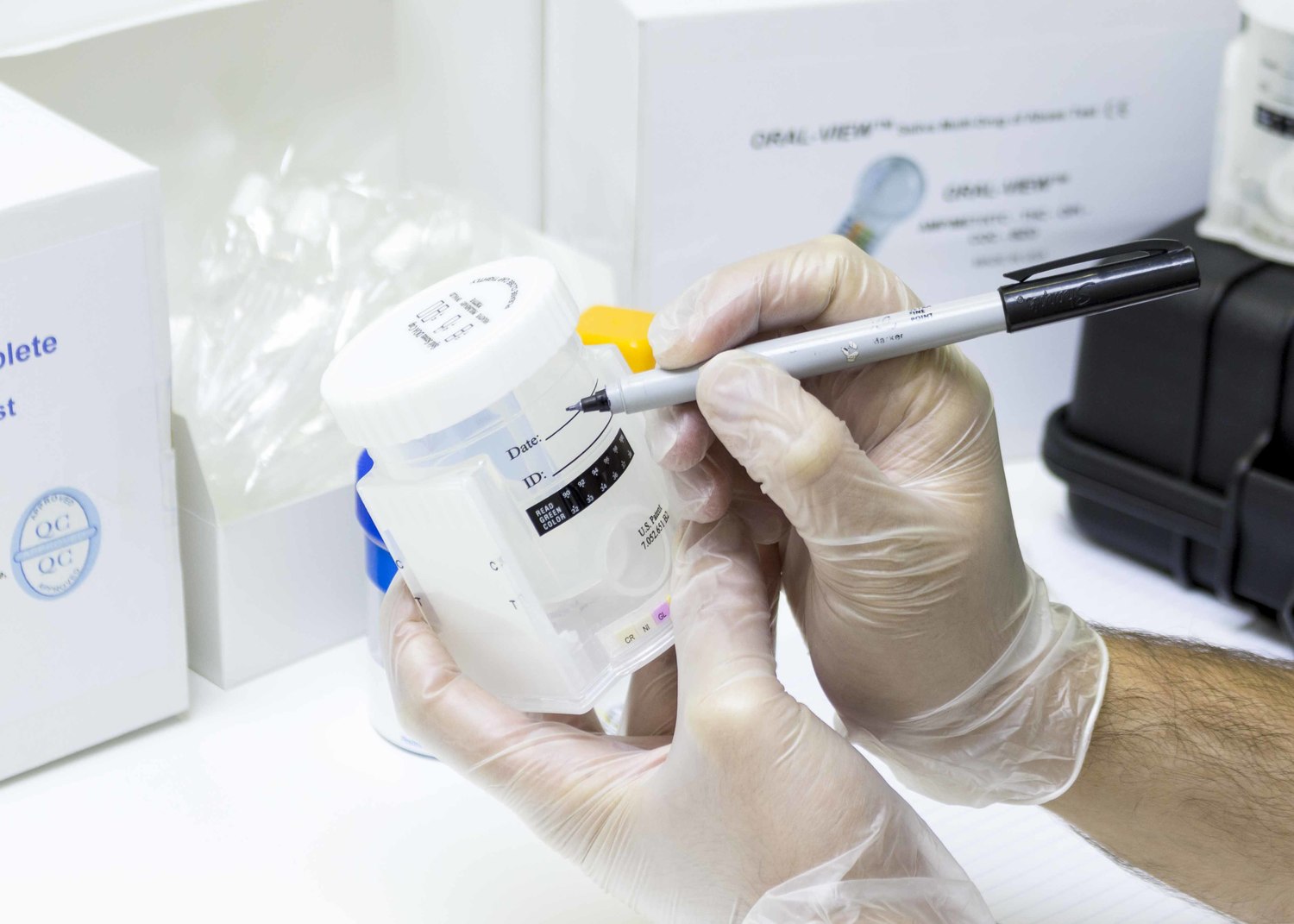
Managing a workplace drug and alcohol testing program requires expertise, consistency and efficient administration. We provide comprehensive drug and alcohol testing services designed to help organisations reduce risk, support compliance and promote a safer workplace.
From pre-employment and random testing to post-incident, reasonable suspicion and return-to-work testing, we deliver tailored solutions that align with your organisation's operational requirements and safety objectives. With a focus on accuracy, efficiency and best-practice program management, we can help you build a proactive testing strategy that supports workforce wellbeing, strengthens safety culture and protects your business.
Keep reading
More on employment medical programs, or explore the service behind it.


Get started
Ready to cut injury and absence costs across your workforce?
Talk to our team about early intervention and tailored injury and absence programs for your organisation.