Human resources is undergoing a significant transformation. Historically viewed as a support function focused on compliance and administration, HR is increasingly becoming a strategic partner in business decision-making.
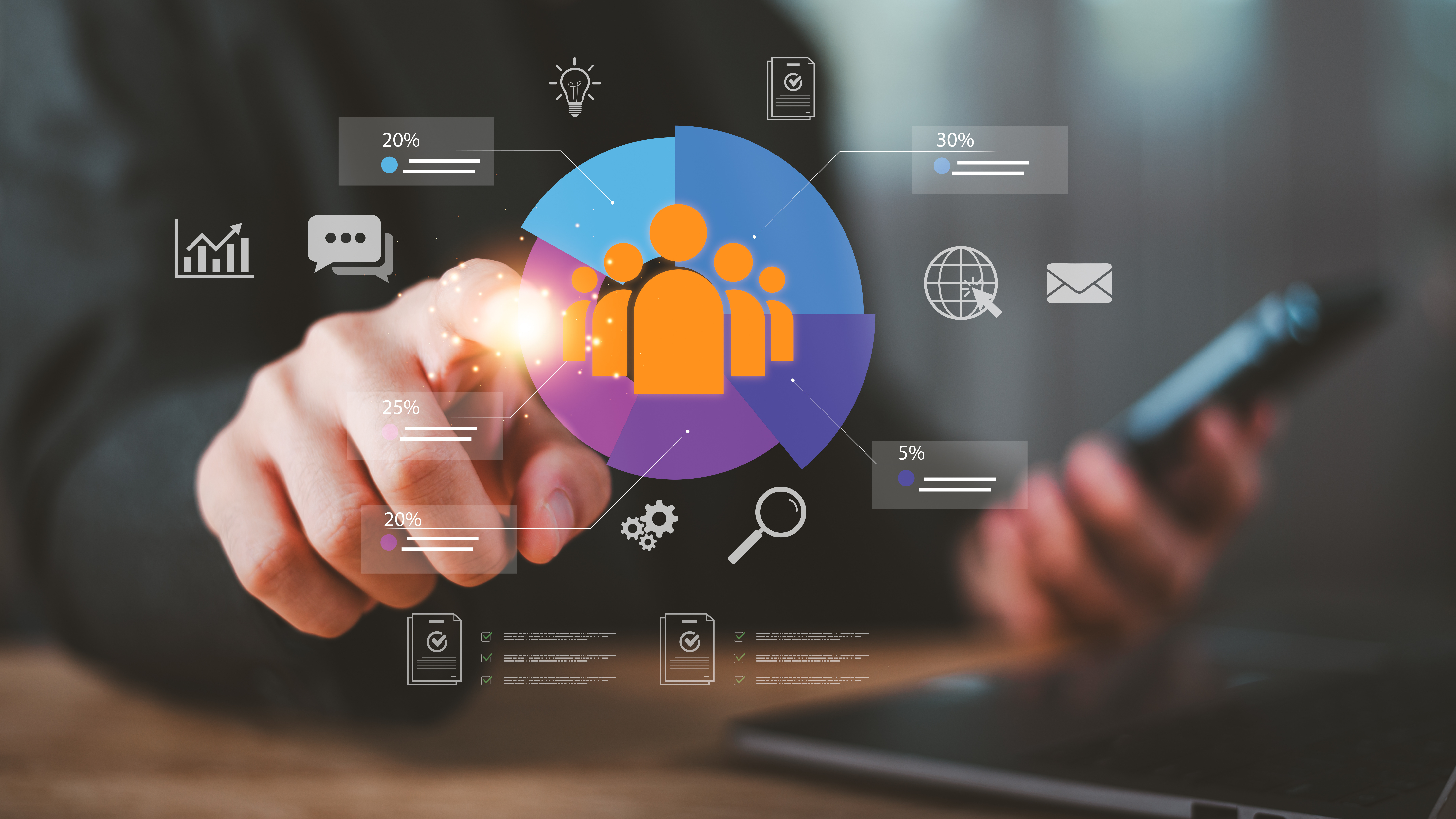
People analytics refers to the use of workforce data to generate insights that inform organisational strategy. Australian HR teams are leveraging advanced analytics tools to better understand employee behaviour, predict workforce trends and optimise talent strategies.
From insight to impact
One of the most valuable applications of people analytics is predicting employee turnover. By analysing factors such as engagement scores, tenure patterns, workload indicators and career progression, organisations can identify employees who may be at risk of leaving. This allows HR teams to intervene early with retention strategies.
Workforce planning has also become far more sophisticated. Instead of relying solely on historical data or managerial intuition, HR leaders can now model future workforce needs using predictive analytics. These models can incorporate variables such as economic conditions, technological change and retirement trends.
The ability to anticipate skill shortages is particularly important in Australia’s tight labour market. Data-driven insights allow organisations to proactively invest in training, recruitment or internal mobility programs before capability gaps emerge.
People analytics also plays a crucial role in improving employee experience. By analysing feedback data from engagement surveys, pulse checks and exit interviews, HR teams can identify systemic issues affecting morale or productivity. These insights enable more targeted and effective interventions.
The challenge of fragmented data
Despite the potential of people analytics, many organisations struggle to fully realise its value. Workforce data is often scattered across multiple systems, platforms and spreadsheets, making it difficult to access, integrate and analyse effectively.
HR teams may find themselves manually compiling data from HRIS platforms, payroll systems, wellbeing programs and safety reports, leading to inefficiencies and inconsistent insights. This fragmentation can limit visibility, delay decision-making and reduce confidence in the data being used to inform workforce strategies.
Building capability and integration
Becoming a data-driven HR function requires new capabilities. HR professionals must develop analytical skills and learn to interpret complex datasets. Many organisations are investing in analytics training or creating specialised roles within HR teams.
Equally important is the integration of HR data with broader business metrics. When workforce insights are connected to financial performance, productivity indicators or customer outcomes, HR leaders can demonstrate the direct impact of people strategies on organisational success.
Data governance is another critical consideration. Organisations must ensure employee data is handled ethically and transparently. Clear communication about how workforce data is used helps maintain trust and ensures compliance with privacy regulations.
Ultimately, people analytics enables HR to move from reactive problem-solving to proactive strategy. Instead of responding to workforce challenges after they arise, organisations can anticipate them and act early.
A more complete view of workforce health
As HR teams increasingly rely on data to inform workforce decisions, integrating health, safety and wellbeing metrics into analytics frameworks is becoming equally important. Workforce data that includes injury trends, absenteeism patterns and psychosocial risk indicators can provide a more complete picture of organisational performance. By incorporating these insights into workforce planning, organisations can identify emerging risks earlier and implement proactive strategies that support both productivity and employee wellbeing.
How we can help
We support organisations by providing data-driven insights into workplace health, injury trends and return-to-work outcomes. Through injury management services, workplace health programs and detailed reporting capabilities, we bring this data together in one place—eliminating the need to rely on multiple systems and spreadsheets. This enables employers to access a single, unified view of their workforce data, translate insights into action and build more resilient, sustainable workforce strategies.
Contact us
For more information on how we can help your organisation, email enquiries.healthsolutions@sedgwick.com or phone 1300 851 080.